Site preparation
Most of a driveway's long-term performance is decided before any concrete arrives. Preparation typically includes removing old material, grading the area, compacting the base and setting forms to the planned shape and slope.
Slope matters: water should move away from your garage and home rather than pooling on the surface.
Concrete placement and finishing
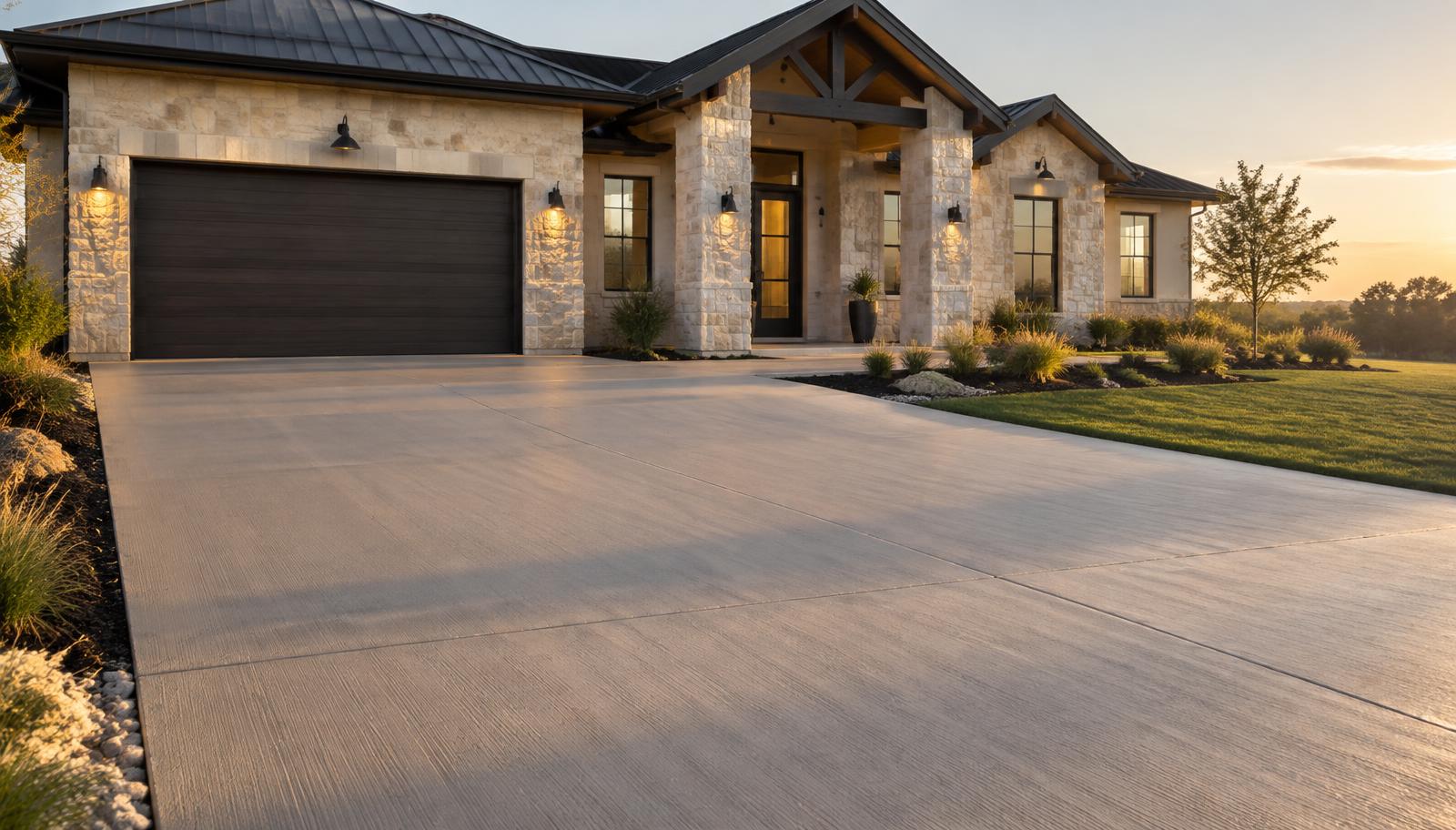
Once the forms and base are ready, concrete is placed, leveled and finished. A broom finish is a common choice for driveways because it adds texture for traction. Control joints are cut or tooled to help guide where natural shrinkage cracks form.
Curing considerations
Concrete gains strength gradually as it cures. Hot, dry or windy weather can affect how quickly moisture leaves the surface, so timing and curing practices are planned around conditions. We will explain when it is reasonable to walk on and drive on your new driveway for your specific project.
Driveway maintenance
A few simple habits help a concrete driveway look and perform better over time:
- Keep the surface clean of oil and chemical spills.
- Direct downspouts and irrigation away from slab edges.
- Avoid parking very heavy equipment near unsupported edges.
- Ask about sealing options appropriate for your surface.
When to request an estimate
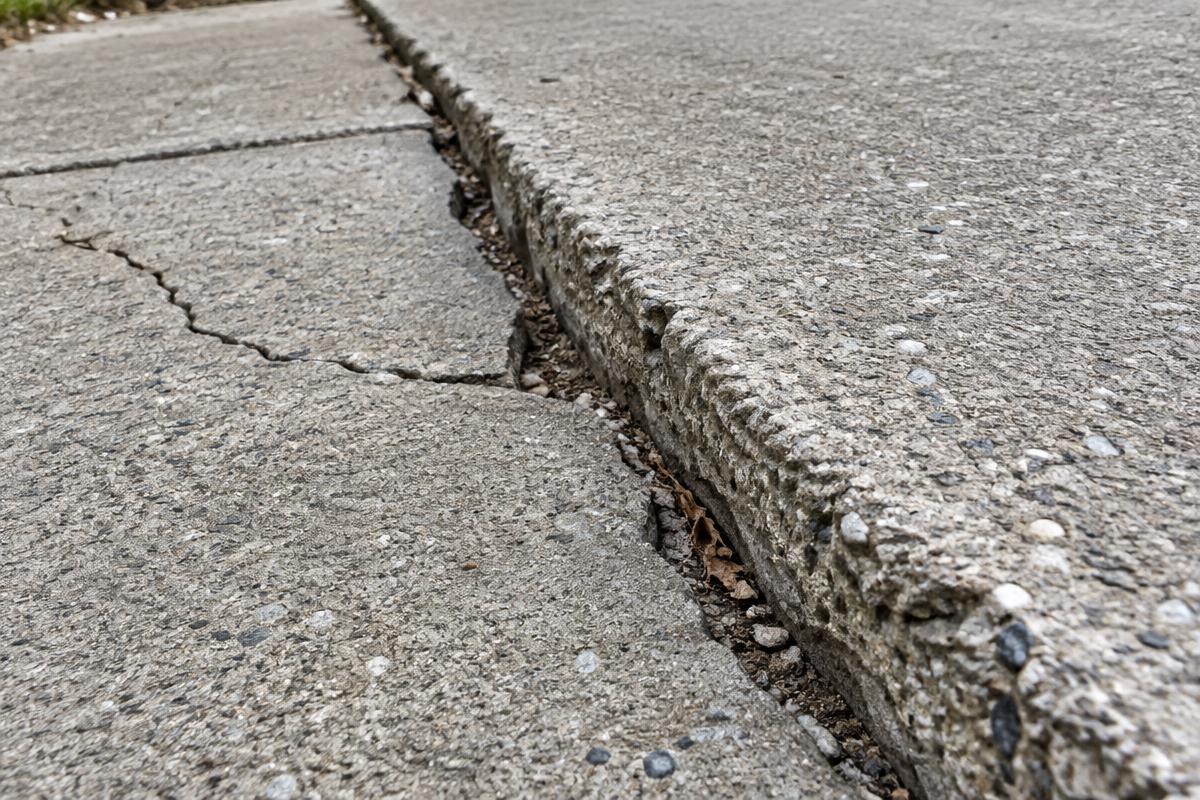
Consider a free estimate if your current driveway has widespread cracking, sunken sections, standing water or crumbling surfaces, or if you are planning a new driveway, extension or widening.
Service area: concrete driveways are available to homeowners in Abilene and across the Dallas–Fort Worth region.
Have questions first? Read our concrete FAQ or learn more about Campos Concrete Construction.